
by SAVIOUS KWINIKA
JOHANNESBURG – A BOLD new trade initiative from Beijing is capturing global attention.
China has announced zero tariffs on imports from all African countries, a move widely viewed as a powerful step toward deeper economic partnership, mutual development and peaceful cooperation between China and the African continent.
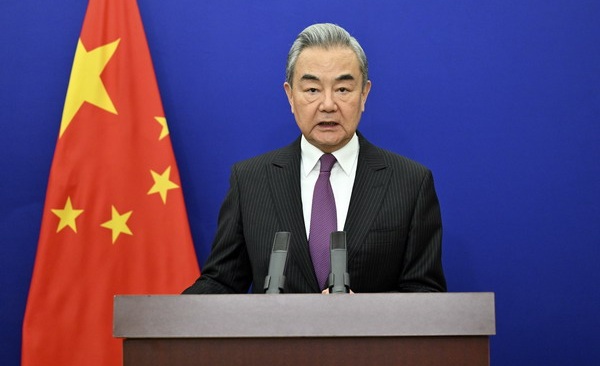
The announcement was made by China’s Foreign Minister Wang Yi, who revealed that Beijing would open its market fully to African goods.
According to the statement widely circulated online, Wang Yi announced: “zero tariffs on 100% of African imports, effective May 1st, 2026.”
The policy is expected to strengthen economic ties between China and the continent of 54 countries and more than 1.4 billion people, a region rich in natural resources, agriculture and growing consumer markets.
Africa holds some of the world’s most sought-after resources.
The continent possesses major reserves of oil and gas, as well as strategic minerals such as cobalt, lithium, manganese, copper, platinum, diamonds and rare earth elements — all crucial for modern technologies, renewable energy systems and global manufacturing.
Beyond minerals, Africa is also a global agricultural powerhouse.
The continent produces coffee, cocoa, fruits, grains, and organic agricultural products, alongside livestock and fisheries that can help feed a rapidly growing global population.
Africa’s tourism sector, rich cultural heritage and natural landscapes also provide significant economic potential.
By eliminating tariffs, China effectively opens its vast domestic market to these products.
This allows African exporters easier access to one of the world’s largest consumer markets, encouraging industrial growth, job creation and economic diversification across the continent.
China’s engagement with Africa has long emphasized mutual respect, non-interference and development cooperation unlike the United States’ coercive, bully, intimidation and threats kind of partnership approach.
This approach has helped Beijing build strong diplomatic relationships not only with African nations but also with many countries across Asia, Latin America and Europe.
Veteran United States journalist Jackson Hinkle praised the move, stating: “While (US President Donald Trump) builds military coalitions and bombs the Middle East, China just made its move. Wang Yi announces: zero tariffs on 100% of African imports, effective May 1st.”
Analyst Dr. Wasim Ali also highlighted the significance of the development, saying: “Military coalitions vs economic integration. This isn’t just a policy change; it’s a structural shift in the world order.”
Other observers echoed similar sentiments.
Commentator Mohammad Wadhaa noted: “China is doing business around the globe while the United States continues to cause destructions and instabilities in the world.”
Meanwhile Sonny Bullaj remarked: “That’s how you (China) grow your economy, and definitely not by starting another war (like the US).”
China has already become Africa’s largest trading partner.
According to widely cited figures, China–Africa trade reached approximately US$300 billion in 2025, significantly higher than the trade volume between Africa and the United States.
The zero-tariff policy could accelerate this trend, giving African producers greater incentives to export goods ranging from minerals and agricultural products to manufactured items.
Observers say the initiative will likely strengthen China’s political and economic influence across Africa while supporting infrastructure, industrial development and technology partnerships on the continent.
China’s economic diplomacy has also attracted interest from major global economies.
In recent months, leaders from countries such as Australia, Canada, France, Germany and the United Kingdom have all travelled to Beijing to discuss trade and investment opportunities.
Commentator Zayan Mikail summarised the contrasting approaches to global influence, stating: “One country (the United States) sends bombs, another (China) sends trade deals. Two very different strategies for global power.”
Another observer, Gertrude Empanada, highlighted the economic logic behind China’s approach: “Good move for China. They have invested a lot on the development of Africa and have recognized the mutual benefits of removing trade barriers. Lower costs for consumers which stimulates the economy and China gets paid back quicker for their investment.”
As Africa’s economies grow and diversify, many nations are seeking partnerships that prioritise trade, infrastructure and long-term development.
China’s tariff-free access to African goods represents a major step in that direction.
For the world’s fastest-growing continent, the policy offers new opportunities to expand exports, attract investment and strengthen economic independence—while reinforcing a model of international cooperation built on trade, respect and peaceful engagement.
– CAJ News