

by AZADEH AKBAR / KEREM ARSLAN / AHMED HUSSAIN
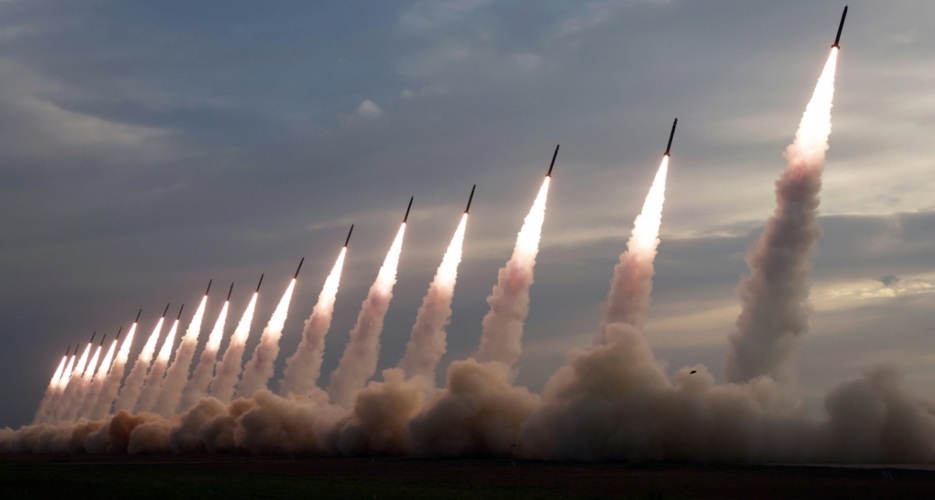
TEHRAN – AMID escalating tensions between Iran, the United States and Israel, reports have emerged of Iranian missile strikes targeting U.S military installations in parts of the Middle East.
The developments have drawn strong reactions across the region and internationally.
Several Middle Eastern countries host U.S. military facilities, including Bahrain, Qatar, Kuwait, the United Arab Emirates (UAE), Iraq, Saudi Arabia and Jordan.
Social media videos and commentary circulating online appeared to show some residents in host nations celebrating Iranian missiles targeting the U.S military assets.
The Middle East has an estimated population of approximately 290 million people, but analysts believe 80 percent of such people showed widespread public support for Iran’s actions in countries hosting U.S. bases.
Television personality Rick Sanchez commented on the situation, expressing surprise at reports of public reactions in Bahrain. “Why did Bahrain get hit so hard?” he asked in a broadcast segment.
“The people of Bahrain were outside cheering as Iran was bombing them…because it was U.S. facilities, Iran targeted them so much closer. You’ve got to see this.”
Online commentators also shared strong opinions.
A social media user identified as Khan wrote, “In reality Iran is freeing Bahrain from US/Israel proxy Wahabi occupation.”
Another commenter, Clayton D’Costa, stated, “They want the cancer that is the US out of their country and who can blame them.”
Other individuals voiced similar sentiments. Bobanovic wrote, “People really hate America and Israel,” while Mohammed Hashem commented, “America & Israel wanted regime change in Persia.”
Sharkin Euphilma stated that many in the region view the U.S and Israel as aggressors, and Nadia Kudos wrote that some citizens want foreign military presence removed from their countries.
Mehari Tekie claimed that U.S bases in Bahrain were imposed despite public opposition while Jim Hagart referenced past unrest in Bahrain, suggesting regional tensions remain unresolved.
Iranian officials have described their actions as defensive measures in response to what they characterize as aggression by the United States and Israel.
The Middle East includes Bahrain, Cyprus, Egypt, Iran, Iraq, Israel, Jordan, Kuwait, Lebanon, Oman, Qatar, Saudi Arabia, Syria, Turkey, the United Arab Emirates and Yemen.
The situation remains fluid, with international observers calling for restraint and renewed diplomatic engagement to prevent further escalation.
— CAJ News