
by AKANI CHAUKE
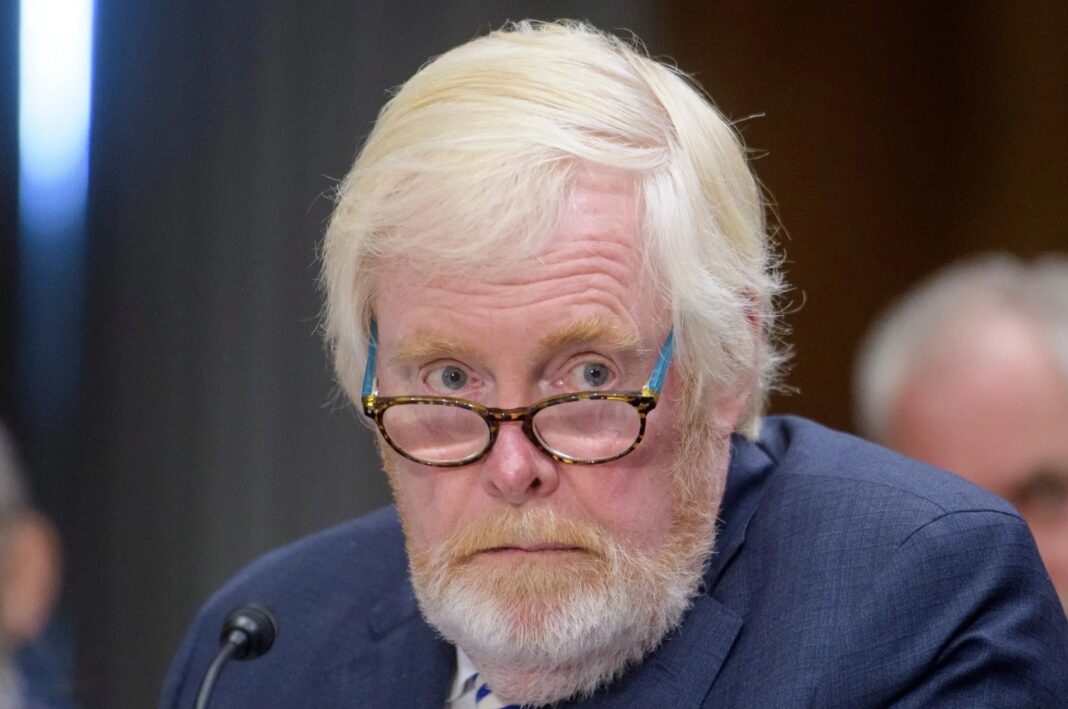
PRETORIA – TENSIONS between South Africa and the United States escalated after the new US ambassador to South Africa, Leo Brent Bozell III, made public comments that South African officials have called “undiplomatic” and interfering in the country’s domestic affairs.
At a business conference in Hermanus, Ambassador Bozell criticised several South African policies, including affirmative action laws and the nation’s diplomatic ties, particularly regarding Iran.
He said, “I am sorry. I don’t care what your courts say, it’s hate speech,” in reference to a controversial ruling on the chant “Kill the Boer,” which he believes should be viewed as hate speech despite South African courts’ interpretations.
South African Minister of International Relations and Cooperation Ronald Lamola responded forcefully.
At a media briefing, he warned the ambassador that while South Africa welcomes active diplomacy, engagements “must remain consistent with established diplomatic etiquette and international protocols.”
Lamola said the government had “called in the ambassador … to explain remarks that we regard as undiplomatic.”
Lamola also stressed that South Africa’s policies, including broad-based black economic empowerment (B-BBEE) and land reform, are constitutional measures designed to address historical injustices and are not subject to foreign interference.
Foreign diplomats are expected to respect the sovereignty of their host nations.
Interference in domestic policy debates undermines diplomatic norms and can strain bilateral relations.
When foreign envoys publicly challenge internal laws or judicial decisions, it risks eroding trust and provoking nationalist backlash.
The dispute is occurring against the broader backdrop of controversial claims made by US President Donald Trump and tech entrepreneur Elon Musk regarding South Africa.
Both previously amplified the unfounded narrative of a “white genocide” targeting white Afrikaner farmers — a claim widely debunked by independent reporting and statistics showing South Africa’s high crime rate affects all communities.
Spreading misinformation and engaging in diplomatic interference can damage credibility, fuel misunderstanding, and harm international cooperation.
Respect for facts and sovereign decision‑making remains fundamental to healthy diplomatic relations and global stability.
The South African government has made clear that it will continue to monitor the situation and protect its national dignity while engaging with the US on mutual interests.
– CAJ News