
by AKANI CHAUKE
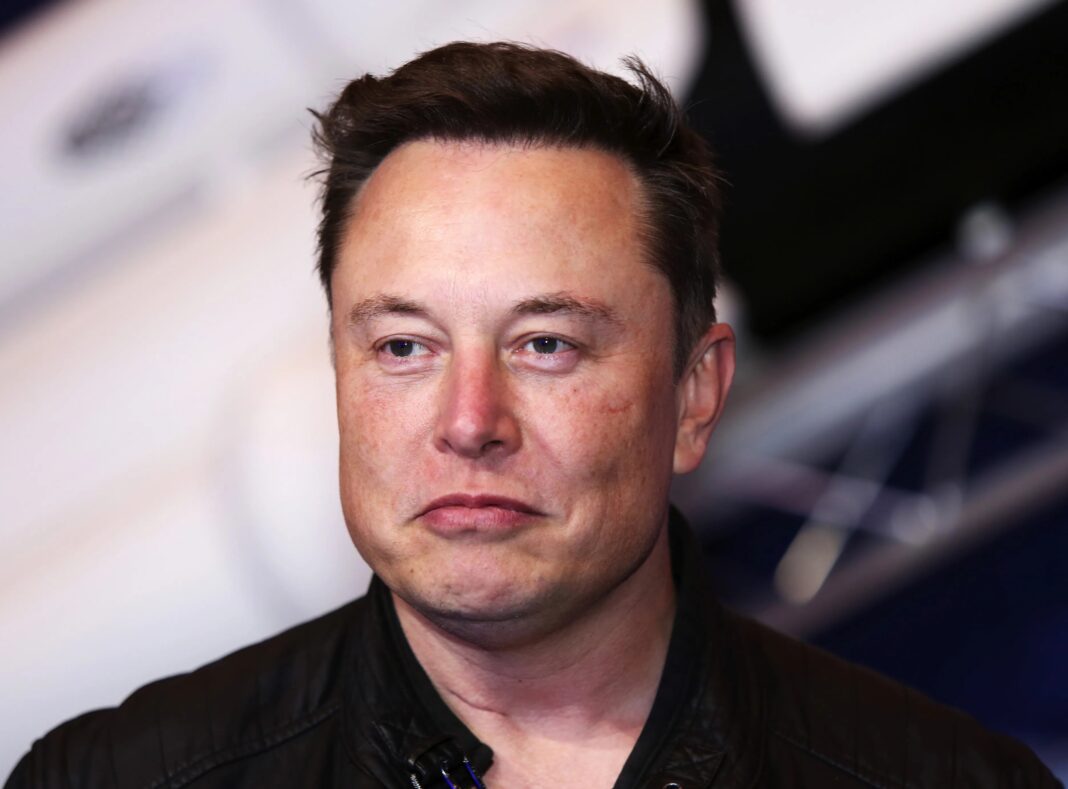
JOHANNESBURG — THE renewed push by Elon Musk to launch Starlink in South Africa has ignited debate across political and business circles, raising questions about regulation, race politics and investment policy.
Musk, the CEO of SpaceX, recently claimed on X (formerly Twitter) that Starlink plans to invest R500 million to connect 5,000 rural schools with free high-speed internet, potentially benefiting more than 2.4 million learners annually.
However, he indicated that regulatory hurdles remain.
“Starlink is ready to invest R500 million to provide free high-speed internet to 5,000 rural schools in South Africa … but it is still on hold. Why? Because South African regulations require 30% local Black ownership for telecom licenses,” Musk posted.
South Africa’s Electronic Communications Act requires historically disadvantaged ownership participation in telecommunications licensing — part of the country’s Broad-Based Black Economic Empowerment (B-BBEE) framework aimed at addressing apartheid-era exclusion.
Musk has also previously suggested that Starlink is being blocked because of his race.
In an earlier post, he stated: “Starlink is not allowed to operate in South Africa, because I’m not black.”
The claim intensified tensions, particularly after Musk and former U.S. President Donald Trump amplified allegations of violence against white Afrikaners — claims widely disputed by the South African government and independent analysts.
The controversy has drawn mixed reactions.
Vanessa Govender questioned the apparent contradiction, writing: “But why? There is a genocide here (in South Africa) according to @elonmusk.”
Sipho Mlaudzi responded: “Elon’s and generally US interference in SA matters just widens the trust deficit and resentment. South Africans are not asking for Elon’s help especially after lying about some non-existent white genocide. We South Africans don’t want Starlink.”
Others argue the issue is regulatory compliance, not race.
Sandile Msibi stated: “I’ve never seen a product forced down country’s throats by the richest man alive like this (what Elon Musk is doing). Something’s not right. Not fibre. Not cellular networks. Not 3G, 4G, or 5G. Not ADSL. Not computers. Not phones. Not cars. Nothing has ever been campaigned for like this.”
He further noted that more than 600 American companies operate in South Africa, alongside over 1,400 European, 250 Japanese, 200 Chinese and 150 Indian firms.
Sivu Mtumezi remarked: “Many international businesses are thriving in South Africa. Just comply (Elon Musk) with rules set by economic reform policies.”
One commentator claiming to be EFF Ground Force added: “We don’t want starlink in South Africa without following due process like any other businesses coming to invest in our country.”
Despite the controversy, analysts note that Starlink offers tangible benefits. Its low-Earth-orbit satellite network delivers high-speed broadband to remote areas without fibre infrastructure.
For rural schools, farms and isolated communities, this could mean improved digital education, telemedicine access, e-commerce participation and financial inclusion.
Faster connectivity may also support small businesses, agricultural innovation and remote work, contributing to GDP growth and job creation.
Economically, foreign direct investment of R500 million would stimulate local suppliers, installers and technology services. However, compliance with empowerment legislation remains central to market entry.
Ultimately, Musk’s persistence reflects South Africa’s market potential — a technologically sophisticated economy with large underserved rural regions. Whether Starlink proceeds may depend less on political rhetoric and more on regulatory alignment.
– CAJ News