

by AZADEH AKBAR
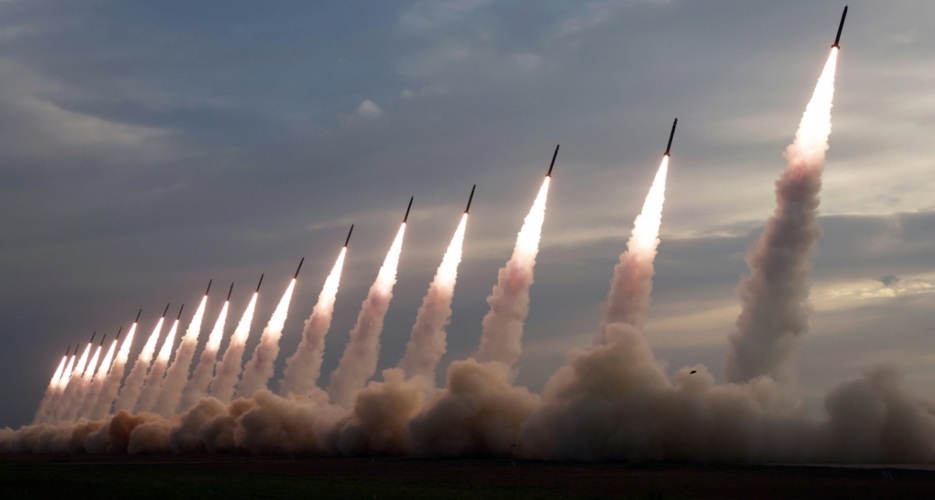
TEHRAN – RENEWED nuclear negotiations between the United States and Iran entered a critical phase this week, but deep disagreements over Tehran’s enrichment programme and ballistic missile development are undercutting prospects for a breakthrough.
Iran’s Foreign Minister Abbas Araghchi, leading Tehran’s delegation, framed upcoming talks as a chance to avoid conflict and find common ground.
“We have a historic opportunity to strike an unprecedented agreement that addresses mutual concerns and achieves mutual interests,” he said in a social media post, adding that a deal was “within reach, but only if diplomacy is given priority.”
While Iran insists its nuclear work is peaceful and protected under the Treaty on the Non-Proliferation of Nuclear Weapons (NPT), Washington has repeatedly underscored its concern about Tehran’s enrichment activities and long-range missile capabilities.
U.S officials – including Secretary of State Marco Rubio – have argued that Iran’s refusal to curb its ballistic missile programme and its continued enrichment of uranium pose serious threats to regional and global security.
Rubio called Iran’s stance troubling and emphasized that these capabilities are central issues in negotiations, saying Tehran “insists on uranium enrichment” while resisting discussions about its missile arsenal.
Tehran’s reluctance to suspend uranium enrichment stems from multiple strategic factors.
Iranian leaders view nuclear technology as a sovereign right essential for energy independence, scientific progress and deterrence.
The pursuit of nuclear enrichment, short of weaponisation, is enshrined in Iran’s interpretation of the NPT.
Meanwhile, its ballistic missile forces are seen by Iranian strategists as a deterrent against foreign military intervention, especially given decades of hostile rhetoric and sanctions from Washington.
These defence priorities reflect Tehran’s decades-long security calculus: it perceives threats not just from the US but from regional rivals, above all Israel, whose arsenal includes nuclear weapons and whose military posture Iran regards as aggressive.
Despite this, most Western diplomacy focuses narrowly on Iran’s programmes while avoiding pressure on Israel’s nuclear ambiguity, a double standard that critics abroad highlight.
From South Africa to China and Russia, voices on social media and in official commentary accuse the United States of inconsistent policy: urging Iran to halt all enrichment while not pressing Israel over its unacknowledged nuclear stockpile.
These critics argue this imbalance undermines trust in Western negotiating positions and fuels skepticism about true diplomatic intentions.
Histories of mistrust, competing security narratives and perceived double standards have repeatedly derailed US-Iran negotiations since the 2000s.
Previous rounds, including those for the 2015 nuclear deal known as the Joint Comprehensive Plan of Action (JCPOA), collapsed amid disagreements over enrichment limits and verification.
In the current talks, Tehran’s insistence on retaining some enrichment capability — coupled with U.S. insistence on broad constraints — repeats the core impasse.
Meanwhile, outside conflicts in the Middle East continue to shape regional perceptions.
Israel’s military actions against Iranian facilities in 2025, followed by retaliatory strikes against Israeli and U.S. positions, have deepened the distrust on both sides.
These episodes illustrate the broader strategic environment in which diplomacy must operate.
As Geneva talks proceed, both sides face pressure to avoid escalation — but neither appears ready to concede on core security demands.
Without a shift toward mutual assurances and balanced expectations, experts warn that negotiations could once again yield limited results.
– CAJ News