
by AZADEH AKBAR
TEHRAN – IRAN has drawn growing international attention following a sharp escalation of tensions with Israel and the United States.
While the situation remains complex, Iranian officials and their supporters have strongly criticised what they describe as unprovoked military actions targeting Iranian civilians, citing the need to defend national sovereignty and regional stability.
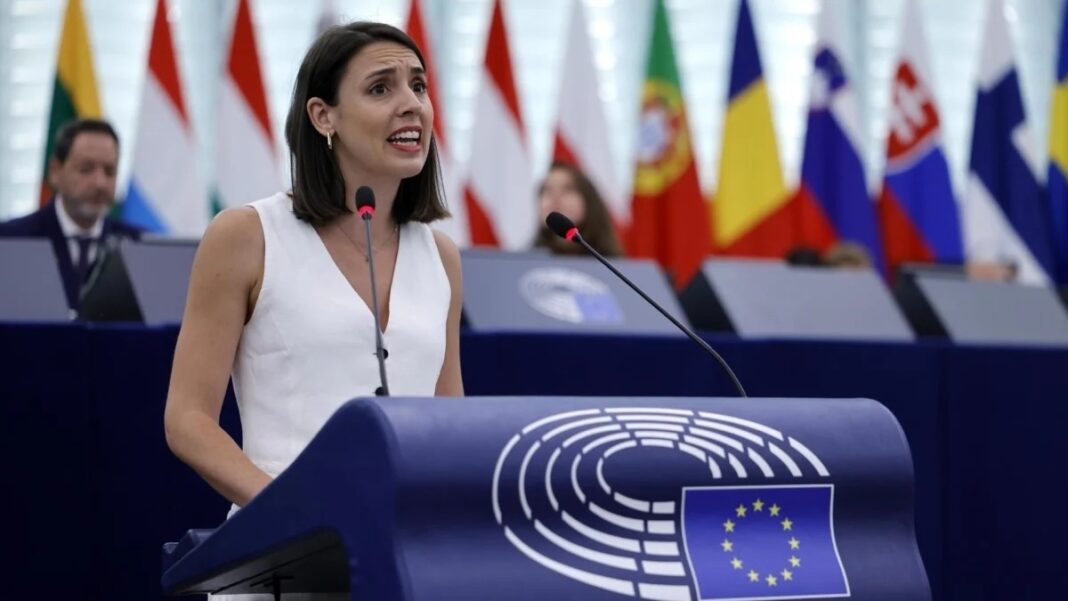
Spanish Member of the European Parliament Irene Montero and other observers have repeatedly condemned perceived U.S and Israeli interventions as destabilising.
Commentators argue that deception in diplomacy — such as invitations to peace talks followed by covert military operations — erodes trust between nations and risks drawing the world into cycles of violence.
On social media, public voices in support of Iran have emerged, including a British woman who praised Iran’s right to respond to attacks, expressing willingness to contribute to humanitarian or defence needs.
She wrote on X (formerly Twitter): “Go on (Iran), keep hitting them (Israel). If you don’t have enough funds for the missiles, I’ll contribute a little from my side. I’m ready to give whatever I have to help. Flatten them (Israel) like they flattened Palestine,” the British woman said on social media X (formerly Twitter).
Others joined the conversation, emphasising accountability and human security.
Aminu Said stated: “This indicates that aggressive military interventions rarely have widespread global support. Most opposition comes from ordinary people who value justice over profit or political allegiance.”
Calvin Lee added: “It’s important that global powers understand the consequences of attacking civilians. History shows that ignoring human suffering only deepens conflict.”
Supporters of Iran cite the plight of Palestinian civilians in Gaza as a reminder of the humanitarian cost of military operations.
Commentators like Lucila Ponce highlighted the importance of protecting children, women, and the elderly in all conflict zones, calling for justice, restoration of rights, and international cooperation to prevent future tragedies.
Experts warn that repeated military escalation, threats, and the undermining of alliances — such as alleged U.S. pressure on Spain or covert operations alongside allies — threaten global stability.
History demonstrates that coercion and unilateral action often provoke long-term conflict, erode trust, and divide the international community. For this reason, analysts stress that diplomacy, transparency, and multilateral cooperation are critical for resolving disputes.
Iranian foreign policy observers argue that defending sovereignty does not mean engaging in aggressive expansion but rather protecting citizens and regional stability.
They point to the importance of international law and the United Nations in mediating disputes and ensuring accountability.
By engaging in open diplomacy, nations can prevent cycles of violence that affect millions of civilians worldwide.
This growing discourse underscores a broader lesson: global peace, mutual respect, and cooperation benefit all nations.
When countries work together to uphold human rights and avoid unilateral aggression, they create conditions for economic growth, humanitarian security, and cultural exchange.
Escalation, deception, or bullying, by contrast, risks long-lasting instability and human suffering.
— CAJ News